
· by Donna Dosado · 5 min read
You walk out to your backyard to enjoy your morning coffee, only to notice something’s off. Maybe a post is leaning a little too far to the left, or a few wooden slats have started to warp. You might think, "Didn't I just fix that last year?"
In Central Florida, our weather is beautiful, but it's tough on outdoor structures. Between the scorching sun, the daily afternoon downpours, and the shifting sandy soil, your fence is fighting a battle on three fronts every single day.
If you’re wondering why your fence seems to age in dog years, you’re not alone. Let’s look at exactly how the local elements impact your property and what you can do about fence repair in Orlando, FL.
How does the Florida heat damage fences?
Have you ever noticed your doors sticking in the summer? That same principle applies to your fence.
When the temperature climbs into the 90s (which feels like most of the year here), materials expand. Wood is particularly vulnerable. As it bakes in the sun, it dries out rapidly. When it rains later that afternoon, it swells up again. This constant cycle of expanding and contracting causes the wood to warp, crack, and split over time.
For vinyl or PVC fences, extreme heat can sometimes make the material brittle or cause it to sag if it wasn't installed with high-quality materials. Even metal isn't entirely safe; heat expansion can loosen fasteners and screws, making the structure wobbly.
Why it matters: A warped or cracked fence isn't just an eyesore—it's a security risk. Small cracks let in moisture, which invites rot and insects (like termites) that can destroy the fence from the inside out.
What effect do rain and humidity have?
We all know the drill: sunny at 2 PM, torrential downpour by 3 PM. Consistent moisture is enemy number one for wooden fences.
When wood stays damp because of our high humidity, it creates the perfect environment for mold, mildew, and rot. Rot is like a slow-moving infection for your fence; once it starts, it spreads quickly to healthy wood.
For metal fences, especially older chain-link or wrought iron models, constant exposure to moisture leads to rust. Rust eats away at the metal, weakening the fence's structural integrity until it eventually snaps or crumbles.
Why it matters: Repairing a single rotten board costs significantly less than replacing an entire section. According to national averages, minor fence repairs can range from $150 to $400, whereas a full replacement can cost thousands. Catching moisture damage early saves your wallet.
Why is soil shifting a problem in Orlando?
Florida is basically a giant sandbar. Our soil is sandy and loose, which means it shifts easily—especially when it gets saturated with water during hurricane season or heavy summer storms.
When the ground beneath your fence moves, the posts lose their grip. You might see your fence leaning, posts that look like they’re popping out of the ground, or gates that suddenly won't latch because the alignment is off.
Why it matters: A fence is only as strong as its foundation. If the posts aren't set deep enough in concrete or if the soil has washed away, a strong wind (something we see plenty of during storm season) can blow the whole fence over.
How can I prevent fence damage?
You don't have to wait for your fence to fall over to take action. A little proactive care goes a long way.
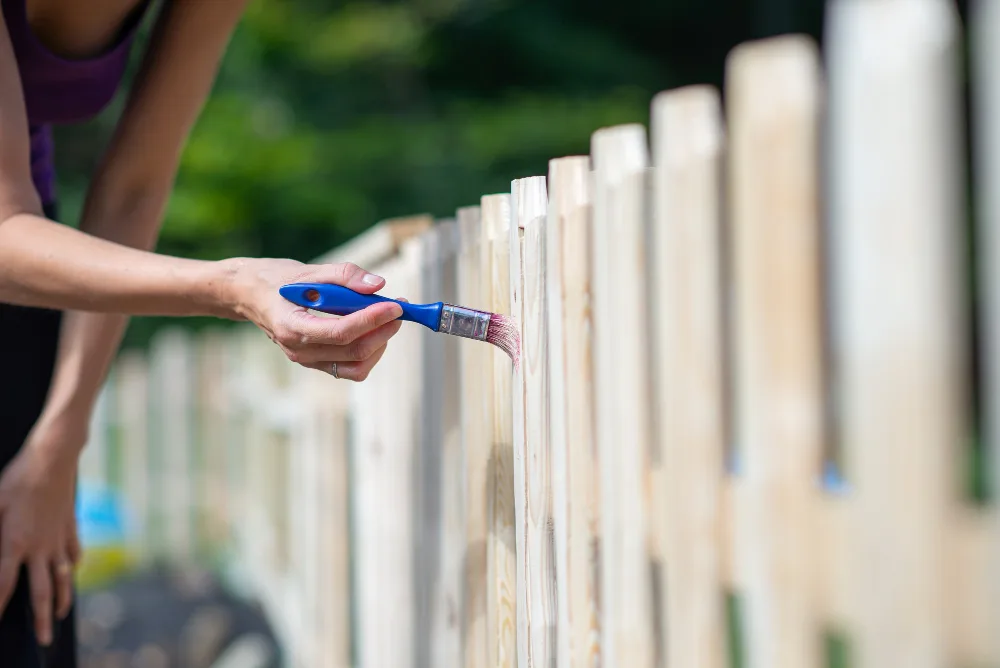
- Seal and Stain: If you have a wood fence, staining and sealing it every 2-3 years acts as a sunscreen and a raincoat. It blocks UV rays and repels water.
- Check Drainage: Make sure your sprinklers aren't hitting the fence directly. Constant water from a rogue sprinkler head is a common cause of premature rot.
- Trim Vegetation: Keep bushes and vines trimmed back. Plants hold moisture against the fence and can even grow into the cracks, prying boards apart.
- Inspect Often: Take a walk around your perimeter once a month. Wiggle the posts to check for stability and look for rusty screws or loose nails.
When should I call a professional?
Sometimes, a weekend DIY project isn't enough. If you notice the fence is leaning significantly, if more than 20% of the boards are rotting, or if a storm has caused structural damage, it’s time to call in the experts.
Trying to prop up a heavy, leaning fence yourself can be dangerous, and patching extensive rot is often just a temporary band-aid. A professional can assess whether a repair will suffice or if a section replacement is the more cost-effective long-term solution.
Trust Wulff Fence for Expert Repairs
We know you have plenty of choices for fence repair in Orlando, FL. But at Wulff Fence, we’re not just contractors; we’re your neighbors. We understand the specific challenges of maintaining a home in Central Florida because we live here, too.
We use materials chosen specifically to withstand our heat and humidity, ensuring your repair lasts longer than the next rainy season. Whether you need to secure a pool fence for your family’s safety or fix a privacy fence to keep your pets secure, we have the local expertise to get it done right.
Ready to secure your yard?
Don’t let a wobbly fence turn into a fallen one. If the Florida elements have taken a toll on your property, let us help you get it back in shape.
Contact Wulff Fence today for an inspection or repair quote. Let’s make sure your fence stands strong for years to come.