
· by Hanna Carolina · 5 min read
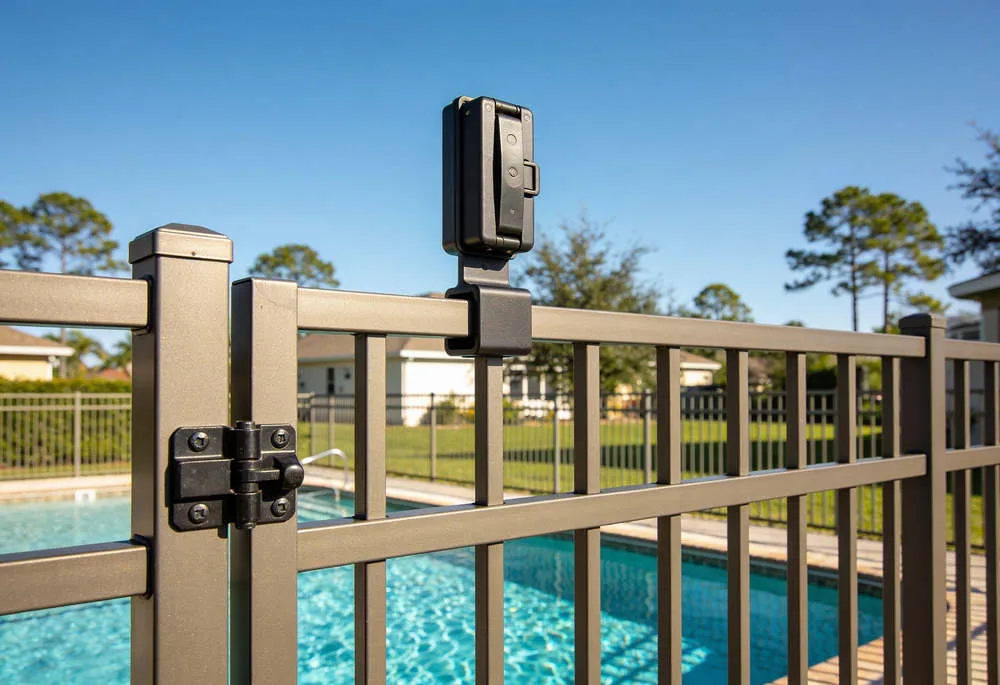
Orlando pool fence inspections check for specific, non-negotiable requirements: the fence must be at least four feet tall, gaps between pickets or rails cannot exceed four inches, gates must swing outward away from the pool, self-closing hinges are required, and the gate latch must sit at least 54 inches above the ground so a young child cannot reach it. Miss any one of those and you will not pass. The inspector has seen every version of this before.
If you are planning a new pool fence and want it built to code the first time, get in touch with Wulff Fence before pool season fills the schedule at (407) 745-8635. Getting it right on the first inspection is cheaper than fixing a failed one.
Why the code exists and why inspectors enforce it strictly
Florida leads the country in child drowning deaths, and Orange County, which includes Orlando and the surrounding municipalities, enforces pool barrier requirements accordingly. The code is not a formality. Inspectors in neighborhoods from Colonialtown to the newer developments on the eastern edge of the metro treat a non-compliant pool fence the same way they treat any other life-safety violation: it does not pass until it is fixed.
The standards are set to create a barrier that a small child cannot defeat on their own. Four feet of height is the floor, not a recommendation. The four-inch gap maximum exists because children can squeeze through wider openings or use horizontal rails as a ladder. The 54-inch latch height means a young child standing at the gate cannot operate it even if they reach the fence. Every requirement has a reason, and the inspector is checking all of them.
Homeowners in lakefront communities around the Laureate Park area and throughout the Lake Nona corridor deal with an additional layer of complexity because some lots border water on multiple sides. Code requirements still apply regardless of whether the pool is near a natural water feature. If anything, enforcement tends to be more thorough in those areas because the drowning risk compounds.
The gate is where most DIY jobs fail
The fence itself is usually straightforward. The gate is where projects go wrong. Self-closing hinges need to be installed at the correct tension so the gate actually closes fully and latches without someone pulling it shut. A gate that swings closed but stops two inches short of the latch position does not meet code. Neither does one that works correctly on the day of installation and drifts out of adjustment within a few months because the hardware was undersized for the weight of the gate.
The latch position is the other common failure point. Homeowners sometimes install the latch at a comfortable operating height, which is typically around waist level, well below the 54-inch requirement. The code requires that the release mechanism be positioned so a child cannot access it, not so an adult finds it convenient. Those two design goals point in opposite directions, and the code wins.
Aluminum is the standard material for pool enclosures in Central Florida
Most pool fences installed in the Orlando area use aluminum. It does not rust, it holds up in the heat and humidity, it is available in heights that meet code, and the open-picket design satisfies the gap requirements while keeping sight lines to the water. Aluminum and metal fencing installation at Wulff Fence includes posts set in concrete and a one-year workmanship warranty. The material itself carries a lifetime manufacturer warranty.
Vinyl is an option for homeowners who want a privacy barrier around the pool area rather than a view-through fence. It can meet the height and gap requirements, though the solid-panel construction makes it harder to supervise the pool from the yard. Most families with young children prefer aluminum specifically because they can see the pool from the house.
A failed inspection costs more than doing it right
This is the part homeowners underestimate. A failed pool fence inspection means a re-inspection fee, the cost of the repair or rebuild, and the delay of a pool opening that was already scheduled. If the fence was built as a DIY project, there is often more to redo than just the gate hardware. Picket spacing, post placement, and overall height all need to meet code simultaneously. Fixing one while introducing a problem with another is easier than it sounds when you are working without a clear plan.
The calculation is simple. A fence built to code on the first attempt by a crew that knows the requirements costs less than a fence that fails and has to be corrected. Wulff Fence builds pool barriers to Orlando-area code standards every time, which means your inspector is not the first person checking the work. You can learn more about fence installation in Orlando on their site, or call (407) 745-8635 and schedule your pool fence consultation with Wulff Fence before the spring rush starts.