
Best Fence Materials for Florida Weather and Storms
If you own a home in Orlando, Kissimmee, Sanford, Lake Nona, or anywhere in Central Florida, you already know that our weather can be tough on outdoor structures. One day it is sunny and humid. The next day a powerful thunderstorm rolls through with heavy rain and strong winds. During hurricane season, homeowners face even greater concerns about protecting their property.
One of the most common questions we hear at Wulff Fence is: "What type of fence will hold up best in Florida weather?" The answer depends on several factors, including your budget, your property's location, your long term goals, and the type of protection you need. As a fence contractor serving Central Florida homeowners, Wulff Fence has installed and repaired virtually every type of fence. We have seen what survives Florida weather and what often requires repair after storms. In this guide, we will explain how Florida's climate affects fences and which materials offer the best durability for local homeowners.
Why Florida Weather Is Hard on Fences
Many homeowners underestimate how much stress Florida weather places on a fence throughout the year. Several environmental factors contribute to fence wear and damage:
High Humidity: Florida's humidity creates constant moisture exposure. Over time, moisture can affect certain fencing materials, particularly wood.
Heavy Rainfall: Frequent rainstorms can saturate soil, weaken fence foundations, and accelerate deterioration if the fence is not properly installed.
Sandy Soil Conditions: Much of Central Florida contains sandy soil. While sandy soil drains water relatively well, it can also create stability challenges if fence posts are not installed correctly.
Thunderstorms: Summer thunderstorms often bring strong wind gusts capable of stressing fence panels, gates, and posts.
Hurricane Season: Hurricanes remain one of the biggest threats to fencing systems throughout Orlando and surrounding communities.
As we often tell customers: "Honestly, if a Category 2 hurricane rolls through, you will be lucky if your house doesn't get damaged." No fence is completely hurricane proof, but proper material selection and installation can significantly improve storm resistance.
Why Fence Installation Is Just as Important as Materials
Homeowners often focus on fencing materials while overlooking the importance of installation quality. The strongest fence material can still fail if the foundation is weak. At Wulff Fence, we follow one consistent rule regardless of fence type: "Every post we set, whether it is wood, PVC, aluminum, or chain link, is set in concrete."
Concrete anchored posts provide stability, strength, and resistance against Florida's challenging weather conditions. Proper installation is often the difference between a fence that survives a storm and one that requires major repairs.
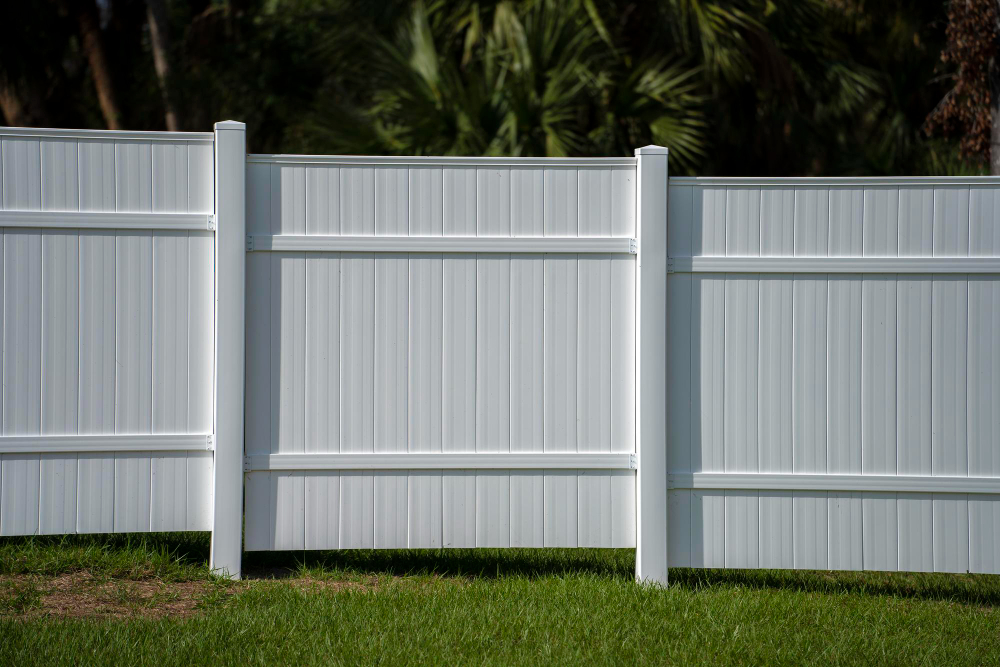
PVC Fencing and Florida Weather
PVC fencing continues to grow in popularity among Central Florida homeowners. Many customers choose PVC because it offers excellent durability while requiring very little maintenance.
Advantages of PVC Fencing
PVC fencing performs exceptionally well in Florida's climate because it does not rot, warp, attract termites, or absorb moisture. This makes it particularly attractive for homeowners who want a long lasting fencing solution.
Wind Resistance
One of the biggest advantages of PVC fencing is its wind rating. As we explain to homeowners: "The PVC fences are rated for 90 mph winds and are concreted three feet in the ground." This combination of strong materials and deep post installation helps improve storm performance.
Long Term Value
For homeowners planning to remain in their property for many years, PVC often delivers the best long term return on investment. As we frequently recommend: "If you plan on being there for a long time, I would go with PVC."
Wood Fencing and Florida Weather
Wood fencing remains one of the most popular fencing choices throughout Orlando and Central Florida. Its classic appearance and privacy benefits continue to attract homeowners.
Advantages of Wood Fencing
Natural beauty
Strong privacy
Affordable installation costs
Flexible design options
Many homeowners appreciate the traditional look that wood provides.
How Weather Affects Wood
Wood is naturally more vulnerable to Florida weather than PVC or aluminum. Over time, exposure to moisture and sunlight may cause rot, warping, cracking, and discoloration. Pressure treated lumber helps reduce some of these risks, but maintenance remains essential.
Wind Resistance
When properly installed, wood fencing can perform surprisingly well during storms. As our team explains: "Wood can withstand 100 mph gusts and the posts are concreted as well." However, regular inspections and maintenance help maximize the lifespan of a wood fence.
Aluminum Fencing and Florida Weather
Aluminum fencing is another excellent option for Florida homeowners. Unlike wood fencing, aluminum does not absorb moisture and requires minimal maintenance.
Benefits of Aluminum Fencing
Rust resistance
Elegant appearance
Long lifespan
Minimal maintenance
It performs particularly well in humid environments.
Great for Waterfront Properties
One of the biggest advantages of aluminum fencing is visibility. As we tell customers: "Aluminum and chain link are great if you live on the water because they won't obstruct the view." Many homeowners with lakes, ponds, retention areas, or waterfront properties choose aluminum fencing to preserve sightlines while maintaining security.
Pool Applications
Aluminum fencing is also commonly used around swimming pools because it can meet local safety requirements while maintaining an open design.
Is Chain Link the Strongest Fence for Storms?
Many homeowners are surprised when we discuss chain link fencing. While chain link may not offer the privacy of wood or PVC, it performs exceptionally well during severe weather. As we often explain: "Chain link is the best material for strong storms."
The open design allows wind to pass through rather than pushing against solid fence panels. For homeowners prioritizing durability over privacy, chain link remains one of the most resilient options available.
How Storm Damage Happens
Even well built fences can suffer damage during severe weather. Common causes include:
Wind Pressure: Strong winds place tremendous pressure on fence panels and posts.
Falling Trees and Debris: Many fence failures occur because of tree limbs, flying debris, or entire trees falling during storms.
Saturated Soil: Heavy rainfall can loosen soil around fence posts, increasing movement and instability.
Aging Materials: Older fences naturally become more vulnerable as materials deteriorate over time.
Signs Your Fence May Not Be Ready for Storm Season
Before hurricane season begins, homeowners should inspect their fence for warning signs.
Look for:
Leaning posts
Loose panels
Rotting wood
Sagging gates
Cracked concrete footings
Rusted hardware
Addressing these issues early may help prevent more extensive damage during future storms.
What To Do After Storm Damage
If your fence suffers storm damage, prompt action can prevent additional problems. At Wulff Fence, we regularly repair fences affected by hurricane damage, thunderstorm damage, rotting sections, leaning posts, and broken gates. As we often say: "We fix all types of fences due to storm damage and rotting fences." Every repair situation is unique, but timely repairs can restore both safety and appearance.
Learn more about repair services here: Fence Repair Orlando
Weather Protection for Pet Owners
For many families, a fence is not just about property boundaries. It is about keeping pets safe. Storm damage can create openings that allow pets to escape unexpectedly. Homeowners with dogs should regularly inspect fencing after major weather events and address any damaged areas immediately.
For secure pet containment options, visit: Dog Runs and Pet Enclosures
Choosing the Best Fence for Florida Weather
When homeowners ask us which fence performs best in Florida, the answer depends on their priorities.
Choose PVC If You Want:
Low maintenance
Long term durability
Excellent appearance
Strong storm resistance
Choose Wood If You Want:
Privacy
Traditional curb appeal
Lower upfront cost
Flexible design options
Choose Aluminum If You Want:
Elegant appearance
Open visibility
Waterfront compatibility
Low maintenance
Choose Chain Link If You Want:
Maximum storm resilience
Affordability
Security
Minimal wind resistance
Final Thoughts
Florida weather creates unique challenges for every fence. High humidity, intense rainfall, thunderstorms, and hurricanes all play a role in determining how long a fence will last. The good news is that proper material selection and professional installation can dramatically improve performance.
At Wulff Fence, we help homeowners throughout Orlando, Lake Nona, Sanford, Kissimmee, and surrounding Central Florida communities choose fencing systems built to handle local weather conditions. As we tell every customer: "We stand by our product and take pleasure in making sure all of our customers are happy."
Whether you need a new fence installation, fence repair, vinyl fence, wood fence, aluminum fence, or a secure dog run, Wulff Fence is ready to help. Contact Wulff Fence today for a free estimate and let our experienced team help you choose a fence designed to withstand Florida weather while enhancing the beauty, safety, and value of your property.