
Your fence has a tough job. It stands outside in the Osceola County sun, gets battered by summer thunderstorms, and has to hold up against our high humidity. Choosing the right material isn't just about curb appeal; it's about finding something that survives our climate without costing you a fortune in repairs.
What Are the Best Fence Materials for Florida Weather?
In Florida, vinyl and aluminum are the top contenders for longevity because they resist rot and rust. Wood offers a classic look but requires staining every 1-2 years to fight our humidity. Chain-link remains the most budget-friendly option for security, though it lacks privacy. Here is how the most common materials stack up against our local elements.
Wood Fences
Pressure-treated pine is the most common choice in neighborhoods from Kissimmee to St. Cloud because it's affordable and looks natural. However, wood is vulnerable to our wet season. If you don't seal it regularly, the intense UV rays will turn it gray, and the moisture will lead to rot. Cedar offers better natural resistance to insects, but it comes with a higher price tag.
Wrought Iron Fences
If you want unmatched elegance and security, wrought iron fence installation is the gold standard for estates and high-end properties. It's incredibly durable and handles wind loads perfectly because air passes right through it. While it requires rust prevention maintenance, a well-cared-for iron fence can last for decades.
Vinyl (PVC) Fences
Vinyl is incredibly popular in Central Florida for good reason. It doesn't rot, warp, or flake. A quick wash with a garden hose usually keeps it looking new. It's excellent for privacy, though you need to ensure the posts are reinforced to handle wind gusts during hurricane season.
Aluminum Fences
Aluminum gives you the look of wrought iron without the rust concerns. It's lightweight, durable, and standard for pool enclosures because it meets safety codes without blocking your view of the water. It doesn't offer privacy, but it survives our salty, humid air better than steel.
Chain-Link Fences
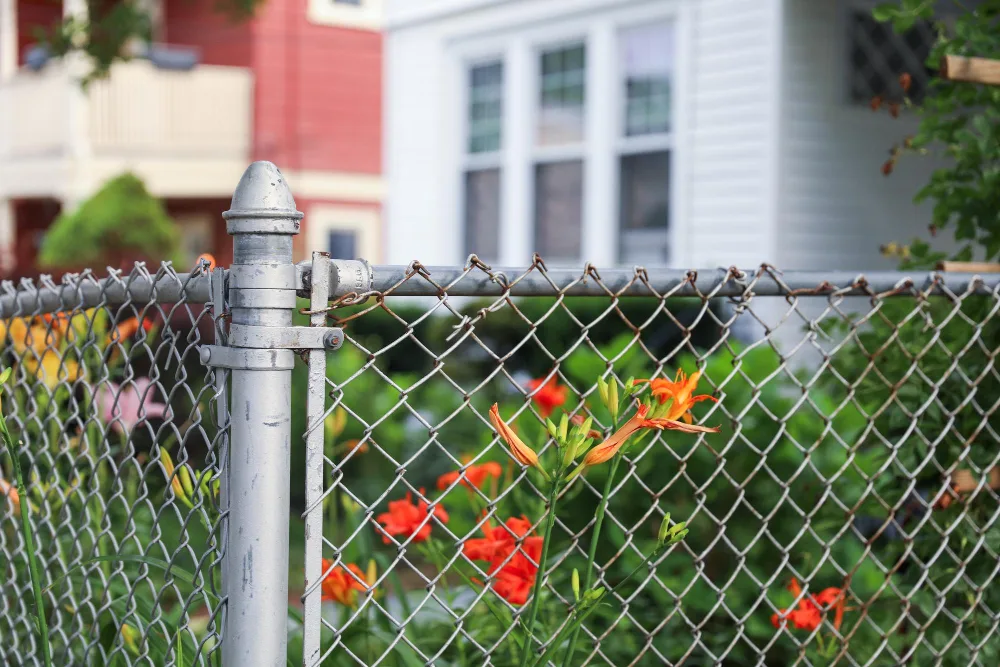
This is the pragmatic choice. It keeps pets in and intruders out at a fraction of the cost of other materials. While it won't win beauty contests, you can add vinyl slats for a bit more privacy.
Concrete Fences
If you live near a busy road like Route 192, precast concrete walls are fantastic sound barriers. They are expensive and difficult to install, but they are virtually hurricane-proof and require almost no maintenance.
How Much Does Fencing Cost in Central Florida?
Fence installation in Central Florida typically ranges from $15 to $60 per linear foot, depending on the material. Chain link is the most affordable ($15-$25/ft), while wood averages $20-$35/ft. Vinyl and aluminum often run higher, between $30 and $60 per linear foot. Costs fluctuate based on height, gates, and permitting fees in your specific city.
It's tempting to look strictly at the upfront price tag, but you have to consider the long-term cost. A wood fence might be cheaper today, but after ten years of stain and sealant, it might cost you more than a vinyl fence would have. Additionally, if you skimp on installation quality to save money now, you might end up paying more for fence repair Osceola County Florida, which residents try to avoid.
Which Fence Style Offers the Best Security and Privacy?
For privacy, a "board-on-board" wood fence or a solid vinyl panel is your best bet because they block sightlines completely. For security without sacrificing the view, aluminum or steel pickets work well. Metal fences with spiked finials add a physical deterrent. Combining a solid bottom with a decorative top balances both needs effectively.
If you're looking for a balance of modern style and strength, the Concord fence installation is a fantastic middle ground. It offers that high-end vertical line aesthetic without the maintenance heaviness of traditional wood or the high cost of heavy iron.
When we visit homes in areas like Celebration or near Lake Toho, we often see homeowners mixing materials. For example, they might put a decorative aluminum fence in the back to overlook a conservation area, but use solid vinyl on the sides for privacy from the neighbors.
How Do I Maintain a Fence in Osceola County?
Maintenance depends entirely on your material. Wood fences need pressure washing and staining every 12-24 months to prevent graying and rot. Vinyl needs a simple hose-down with soapy water twice a year to remove algae. Metal fences should be inspected annually for rust spots, especially near irrigation sprinklers. Ignoring these tasks cuts your fence's lifespan in half.
Wood Maintenance
Check for loose nails and wobbly posts. In our sandy soil, posts can shift over time. If you see rot starting at the bottom of a picket, replace it immediately before it spreads.
Vinyl & Aluminum Maintenance
The biggest enemy here is usually algae or mildew, which loves our humidity. A solution of water and mild detergent usually wipes it right off. For aluminum, touch up any scratches with matching paint to prevent oxidation.
Chain-Link & Concrete
Tighten the tension wire on chain-link fences if they start to sag. For concrete, check for cracks through which water could seep into.
Regular checks help you catch issues early. Often, simple maintenance prevents the need for major fence repair Osceola County Florida, homeowners dread.
What Factors Should I Consider Before Installation?
Before digging a single post hole, check your property survey and local zoning codes. In Osceola County, fences generally can't exceed six feet in the backyard or four feet in the front setback. If you live in an HOA community like Lake Nona or Hunter's Creek, you'll likely need architectural review board approval before installation begins to avoid fines.
Purpose
Are you keeping a Husky puppy inside, or just defining your property line? If it's for a dog, ensure the pickets are close enough that they can't squeeze through.
Climate
We can't stress this enough: Florida is wet. Ensure your wood posts are pressure-treated and rated for ground contact. If you choose vinyl, make sure it has UV inhibitors so it doesn't yellow in the sun.
Budget
Don't max out your budget on the installation, leaving zero room for maintenance. Be realistic about what you can afford to fix if a storm damages a section.
When Should I Hire a Professional vs. DIY?
DIY fencing works for simple chain-link repairs, but new installations usually require a pro to handle Florida's sandy soil and permitting. Professional contractors know how to set posts deep enough (usually 2 feet minimum) to withstand high winds. If your fence isn't anchored correctly, the first tropical storm of the season will likely knock it over.
Permits & Regulations
Navigating the permit office in Kissimmee or St. Cloud can be tricky. A licensed contractor handles this for you. We've seen plenty of DIY projects get red-tagged because the homeowner skipped the permit. Skipping permits is a common reason folks eventually need expensive fence repair Osceola County Florida, code enforcement mandates.
Quality Assurance
A pro has the tools to ensure your fence line is straight and level, even if your yard isn't. Plus, you get a warranty on the labor.
Secure Your Home with Wulff Fence
Choosing the right fence protects your family, your pets, and your property value. Whether you need a sturdy vinyl privacy fence or an elegant metal enclosure for your pool, getting it installed right the first time matters.
We know the local codes, the soil conditions, and exactly how to build a fence that stands up to Florida weather. Contact Wulff Fence today at (407) 745-8635 for a consultation. Let's build something that lasts.