
Fixing Green Stains on Wood Fences in Winter Park
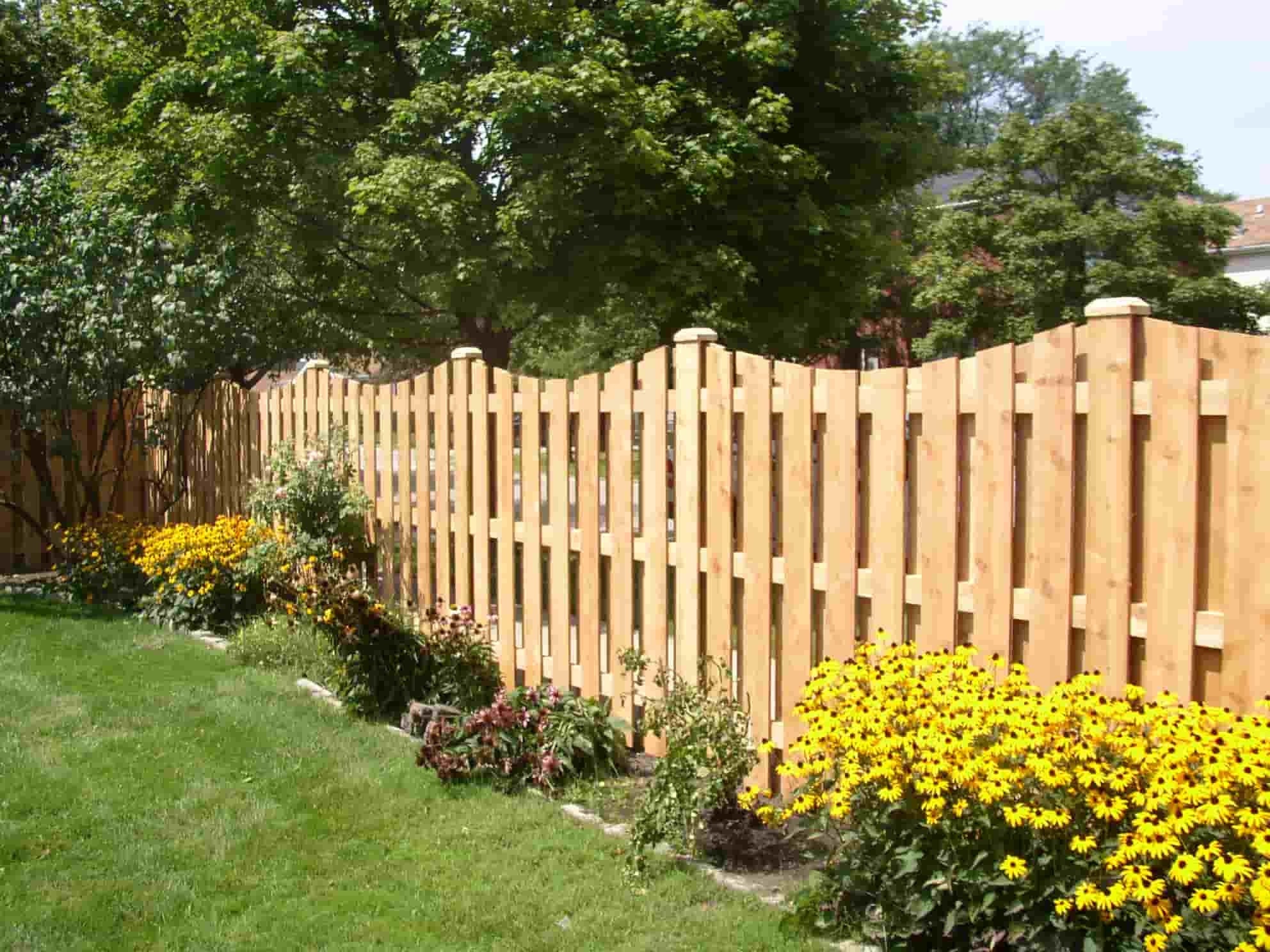
You walk out into your backyard and notice an ugly layer of slime coating your boards. Those green stains on wood fence in Winter Park are algae and mold, and they thrive in our humid Central Florida climate. Our technicians find that nearly 80% of untreated wooden fences here show signs of algae growth within the first two years of exposure. Need help right away? Contact Wulff Fence at (407) 745-8635 to reclaim your yard.
We are the local experts you trust with your property. We know exactly what the local weather does to outdoor structures. Read on to learn how to diagnose the problem, clean the mess, and prevent it from coming back.
What Causes Algae on Florida Fences?
Florida's 90-degree summers and heavy humidity create the perfect breeding ground for algae. Pickets absorb moisture from daily afternoon thunderstorms and sprinkler systems. The wood stays constantly damp, especially in shaded areas under mature oak trees in neighborhoods like Olde Winter Park.
Algae presents as a green, slippery film on the surface of your boards. Mold typically looks like black or gray powdery spots. Both organisms break down the cellular structure of the timber. A standard wood fence installation requires regular sealing to block this moisture. If you skip the sealant, the wood acts like a sponge.
How Do You Prepare to Clean a Wood Fence?
Before scrubbing, wet down your surrounding plants and cover them with plastic tarps. This protects your landscaping from harsh runoff. Grab safety goggles, rubber gloves, a pump sprayer, and a stiff-bristle brush before mixing any chemicals.
Never use a pressure washer on a high setting. Blasting the panels with high-pressure strips away the protective fibers and leaves deep gouges. Soft washing is the only safe method for timber. You want the cleaning solution to do the hard work, not water pressure.
What Are the Best DIY Cleaners for Fence Algae?
A mixture of one part white vinegar to one part water is the safest DIY cleaner for light algae. For severe green stains on wood fence in Winter Park, mix one cup of oxygen bleach with a gallon of warm water in a pump sprayer.
You have a few options when making a cleaning trip to the hardware store. Expect to spend $30 to $50 on basic supplies.
White Vinegar Solution:
Vinegar is natural and safe for your nearby grass. Mix it equally with water in a bucket. It works well for minor spots but requires heavy scrubbing for stubborn growth.
Chlorine Bleach:
Bleach kills organisms fast. However, it strips the natural color from your timber and easily burns nearby plants. We advise against using harsh chlorine because it causes permanent discoloration.
Oxygen Bleach:
Products like OxiClean offer the best balance. Oxygen bleach kills the organic growth without destroying the fibers or killing your lawn.
How Should You Scrub the Green Stains Away?
Spray your cleaning solution onto the panels and let it sit for 15 to 20 minutes. Then, scrub the boards gently following the grain of the wood. Rinse everything thoroughly with a garden hose to remove all chemical residue.
The 15-minute wait time is critical. This dwell time allows the chemicals to penetrate the pores and kill the roots of the algae. Scrubbing too early just smears the surface slime around. Always rinse the boards completely. Leftover cleaner eats into the material over time and causes premature aging.
How Can You Stop Algae from Coming Back?
Trim back bushes and overhanging branches by at least two feet to improve air circulation. Apply a high-quality, water-repellent stain every 12 to 18 months to keep moisture out of the wood and block UV rays.
Proper airflow dries the boards out after a heavy rain. Dense foliage traps the humidity against the surface. Once the panels are completely dry from your cleaning, seal them immediately. Unsealed timber in Florida will turn green again within just a few months.
When Should You Call a Professional Fence Contractor?
Call a pro if the algae covers more than 100 linear feet of fencing or if the wood feels soft and spongy. Soft wood means rot has started, and cleaning won't fix structural damage. At that point, you need a replacement.
Based on the 500+ installations we did last year, we often find that what looks like a simple stain is actually deep-rooted rot destroying the panels. We recently helped a homeowner in Windsong who spent entire weekends scrubbing their boards, only to have the bottom rails collapse from hidden decay. A professional fence installation in Winter Park guarantees your yard stays secure and looks great.
Is There a Permanent Fix for Florida Fence Algae?
Yes, replacing your wood with PVC or vinyl eliminates the problem of wood rot and green algae stains. Vinyl provides a zero-maintenance barrier that you only need to hose off once a year to keep it looking brand new.
While treating those green stains on wood fence in Winter Park is possible, it becomes an endless chore. You spend hours every year scrubbing, treating, and sealing. The heat and humidity always win eventually.
Pivoting to vinyl fence installation solves the core issue. Vinyl does not absorb water. It does not rot, and it offers no organic material for algae to feed on. It withstands the brutal Central Florida sun and handles hurricane-force winds far better than aging timber. Over 10 years, the money you save on sealants, cleaners, and repairs makes vinyl the smartest financial choice for your property.
The Bottom Line on Fence Algae
Florida weather is tough on outdoor structures. Combating the constant humidity requires vigilance, proper cleaning techniques, and regular maintenance. You can win the battle for a few seasons with a good brush and some oxygen bleach. Eventually, upgrading to a rot-proof material gives you your weekends back.
Wulff Fence builds custom barriers designed to handle our specific climate. We handle all the permits, HOA rules, and heavy lifting.
Ready to permanently solve your algae problem? Contact Wulff Fence at (407) 745-8635 to get a free estimate today.