
Best Fence Materials for Orlando Homes: Costs & Durability Guide
Living in Central Florida means loving the sun, but that same sunshine can be brutal on your home's exterior. In Orlando, we deal with intense UV rays, 90% humidity, and daily afternoon thunderstorms in the summer. I've seen standard wooden fences rot in less than five years because the material just couldn't handle our swampy environment.
Choosing the right fence isn't just about curb appeal; it's about finding a material that survives the elements. Whether you're in a historic bungalow in Winter Park or a new build in Lake Nona, the wrong choice can cost you thousands in repairs. This guide breaks down exactly which materials stand up to our unique climate, what they cost, and how to maintain them.
What Factors Ruin Fences in Florida?
Florida's climate attacks fences through moisture, UV radiation, and wind. High humidity causes wood to absorb water, leading to warping and rot within 5-7 years if untreated. Intense UV index ratings (often 10+) bleach colors and make cheap vinyl brittle. Finally, hurricane-force winds require specific installation depths to keep your investment from turning into a projectile.
In my experience, the biggest enemy isn't actually the hurricanes; it's the daily moisture. The sandy soil in areas like Conway or Dr. Phillips shifts when wet, which can cause posts to lean if they aren't set deep enough with concrete. Termites are another massive concern here. They love soft, damp wood, and they can destroy a cedar fence from the inside out before you even notice the damage.
Is Aluminum or Vinyl Better for Orlando Homes?
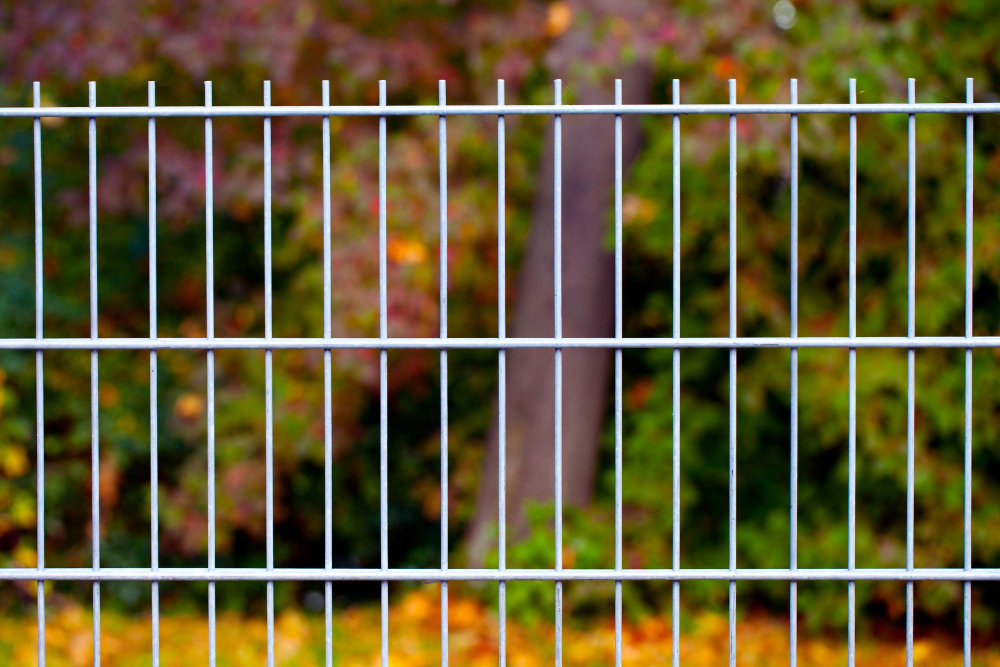
For most Orlando homeowners, aluminum and vinyl are the top contenders because they are virtually immune to water damage. Vinyl (PVC) offers complete privacy and requires zero painting, lasting 20-30 years with just a quick wash. Aluminum offers a classic look that mimics wrought iron but won't rust, making it perfect for pool safety and open views.
Aluminum Fencing
If you want durability without blocking the view of your pond or conservation area, aluminum is the way to go. It withstands salt air (great if you're closer to the coast) and won't rust like steel. We typically recommend aluminum and metal fencing installation for pool enclosures because it meets safety codes while allowing airflow. It's tough, too. A quality aluminum fence can easily last 50 years or more.
Vinyl (PVC) Fencing
Vinyl is the most popular choice I see in neighborhoods like MetroWest. It’s engineered to handle the sun. Quality vinyl fences contain titanium dioxide, which acts like sunscreen to prevent yellowing and brittleness. It's about five times stronger than wood and serves as an excellent sound barrier if you live near a busy road like I-4 or the 408.
Wood Fencing
Wood is the traditional choice and is usually the most affordable upfront. Pressure-treated pine is standard here, treated to resist termites and rot. However, even treated wood will eventually succumb to the Florida humidity. Expect a lifespan of 10-15 years, and that's only if you stain and seal it every 2-3 years.
How Much Does Fencing Cost in Central Florida?
Fencing in Orlando typically costs between $20 and $60 per linear foot installed, depending heavily on the material. Pressure-treated pine is your budget option, usually landing around $20-$35 per linear foot. Vinyl is a mid-range investment at roughly $30-$50 per linear foot, while high-end aluminum or composite can run $40-$65 per linear foot.
When you're looking for fence contractors Orlando Florida homeowners recommend, ask for a "linear foot" price to compare quotes easily. Keep in mind that gates add significantly to the cost—usually $300 to $800 each depending on width and hardware. Also, removing an old fence often incurs a haul-away fee, typically $2-$5 per foot.
Here is a quick breakdown of what to expect for a standard 150-foot yard:
- Wood (Pine): $3,000 - $5,250
- Vinyl (Privacy): $4,500 - $7,500
- Aluminum: $6,000 - $9,750
While wood is cheaper today, vinyl or aluminum often costs less over 10 years because you don't spend money on stains, sealants, or replacing rotted pickets.
Which Fence Style Handles Hurricanes Best?
The best fence for hurricanes allows wind to pass through rather than blocking it completely. Aluminum fences and chain links are aerodynamic champions because wind flows right through the gaps. If you need privacy, a "shadowbox" style wood fence or a semi-private fence installation is safer than a solid wall.
Solid privacy fences act like a sail. When a 100-mph gust hits a solid vinyl wall, that pressure has nowhere to go, often snapping posts or leaning the entire fence line. A semi-private design has small gaps between pickets. This reduces the wind load significantly, keeping your fence standing when the storm passes.
If you must have a solid privacy fence, ensure your contractor installs posts at least 24-36 inches deep with concrete. This anchorage is vital in Florida's sandy soil. Many fence contractors Orlando Florida residents hire will skip this depth to save money on concrete, but it’s the most critical step for storm survival.
Do I Need a Permit for a Fence in Orange County?
Yes, almost every municipality in Central Florida, including Orange County and the City of Orlando, requires a permit for fence installation. The permit fee generally ranges from $85 to $150. You will need a copy of your property survey to show exactly where your property lines are.
Local regulations can get tricky. For instance:
- Height Limits: Front yard fences usually can't exceed 4 feet, while backyards can go up to 6 feet (sometimes 8 feet depending on zoning).
- Setbacks: You cannot build on a utility easement. If you do, and the county needs to access a pipe, they can tear down your fence without reimbursing you.
- Pool Safety: Florida statutes are strict. Pool fences must be at least 48 inches high, have self-closing/self-latching gates, and the latch must be at least 54 inches from the ground to keep kids safe.
Experienced fence contractors Orlando Florida locals use will handle this permitting process for you. They know the specific quirks of the permitting offices in Winter Garden, Apopka, and downtown Orlando, which can save you weeks of delays.
How Do I Maintain a Fence in this Humidity?
Maintenance varies wildly by material. For vinyl and aluminum, you really just need to hose it down once or twice a year to remove algae (that green slime that grows on the north side of everything here). A mixture of 30% white vinegar and 70% water works wonders on vinyl mold without harsh chemicals.
Wood requires work. You need to verify that your sprinklers aren't hitting the fence directly. Constant water from irrigation causes hard water stains and accelerates rot. You must stain or seal a wood fence every 2-3 years. Use an oil-based sealant; it penetrates the wood grain better than latex-based products, which tend to peel in our humidity.
One tip I always give: Keep mulch and dirt away from the bottom of your fence pickets. Whether it's wood or vinyl, ground contact invites moisture and insects. Leave a 2-inch gap between the bottom of the picket and the ground. This also makes weed eating easier without damaging your fence.
Getting the Right Fence for Your Yard
Choosing the right material comes down to balancing your budget with how much maintenance you're willing to do. If you want to install it and forget it, aluminum or vinyl is worth the extra upfront cost. If you prefer the natural look and lower initial price tag, pressure-treated pine is a solid option, provided you commit to the upkeep.
Don't let the Florida weather destroy your investment. We are here to help you navigate these choices and ensure you get a fence that stands strong against storms, sun, and soil.
Ready to secure your property?
Contact Wulff Fence today at (407) 745-8635 for a free estimate. We'll help you pick the perfect material for your home and handle everything from permitting to final installation.