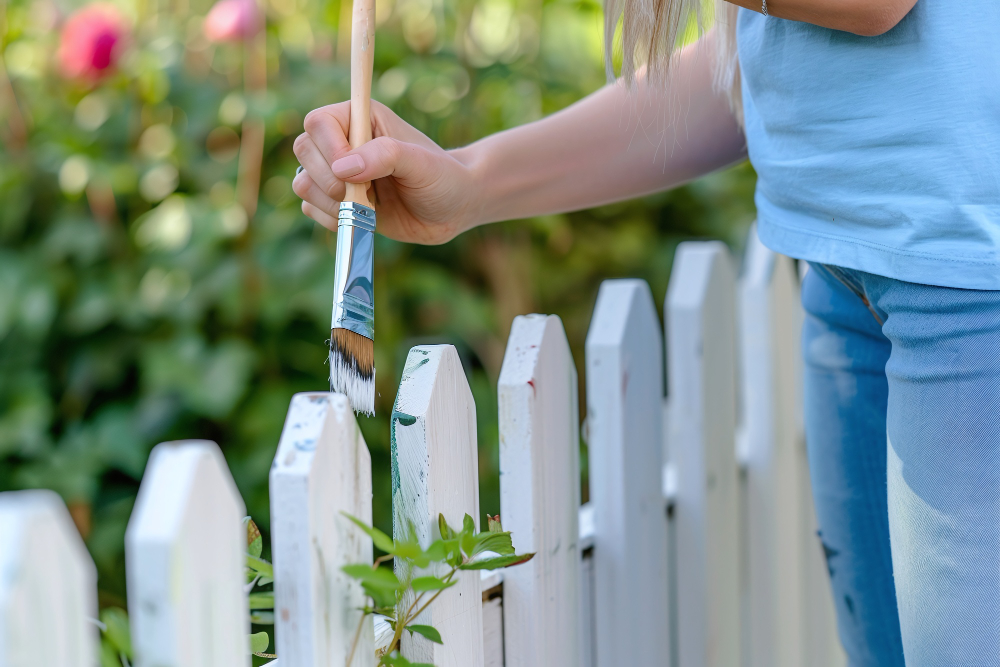
A wood fence adds a classic, natural beauty to any home. It provides privacy, security, and a charming backdrop for your yard. But to keep that fence looking its best and standing strong for years, especially in Florida's humid climate, it needs regular care. Proper maintenance protects your investment, prevents costly repairs, and ensures your fence remains a beautiful feature of your property.
This guide will walk you through the essential steps for maintaining your wood fence. We'll cover everything from routine inspections and cleaning to staining and sealing. By following these tips, you can extend the life of your fence and keep it in top condition. Whether you're a new homeowner or just looking to improve your fence care routine, you'll find the information you need right here.
Why Wood Fence Maintenance is Crucial in Florida
Wood is a natural material, which means it's susceptible to the elements. In places like Osceola County, the combination of intense sun, heavy rain, and high humidity creates a challenging environment for any outdoor wood structure. Without proper care, your fence can quickly fall victim to a range of issues.
Common Problems for Wood Fences
- Rot and Decay: Moisture is the primary enemy of wood. Constant exposure to rain and humidity can lead to rot, which weakens the fence structure from the inside out. Areas where wood is in direct contact with the ground, like the bottom of fence posts, are especially vulnerable.
- Insect Damage: Termites, carpenter ants, and other wood-boring insects thrive in warm, damp conditions. An untreated or poorly maintained fence can become an inviting meal for these pests, leading to significant structural damage that can be difficult and expensive to repair.
- Warping and Cracking: The sun's UV rays can be just as damaging as moisture. Over time, the sun breaks down the wood fibers, causing the boards to dry out, warp, crack, and splinter. This not only looks bad but also compromises the fence's integrity.
- Mold and Mildew: High humidity is the perfect breeding ground for mold and mildew. These fungi can appear as black, green, or gray splotches on your fence. While often a surface-level issue, they can stain the wood and contribute to its eventual decay if left unchecked.
Regular maintenance addresses these threats head-on. By taking proactive steps, you can protect your fence from moisture, pests, and sun damage, ensuring it remains a durable and attractive part of your home for many years.
Your Step-by-Step Fence Maintenance Guide
Maintaining your wood fence doesn't have to be a massive undertaking. By breaking it down into manageable steps and performing them regularly, you can easily keep your fence in great shape.
1. Conduct Regular Inspections
The first step in any maintenance plan is a thorough inspection. Aim to inspect your fence at least twice a year, ideally in the spring and fall. Walk the entire length of your fence line on both sides, looking closely for any signs of trouble.
What to look for:
- Loose or damaged boards: Check for any planks that are cracked, splintered, or coming loose.
- Wobbly posts: Gently push on each fence post to see if it's secure in the ground. A wobbly post could indicate rot at the base or a problem with the concrete footing.
- Protruding nails or screws: Fasteners can work their way loose over time. Look for any that are sticking out and could be a safety hazard.
- Signs of rot: Use a screwdriver to gently poke areas that look discolored or feel soft, particularly near the bottom of posts and panels. If the wood gives way easily, you've likely found rot.
- Insect damage: Small holes, sawdust-like material (frass), or visible tunnels are clear signs of an insect infestation.
- Mold and mildew growth: Note any areas with green, black, or gray discoloration.
Keep a record of any issues you find. This will help you create a to-do list for repairs and prioritize the most urgent problems.
2. Clean Your Fence Annually
A yearly cleaning is essential to remove dirt, grime, mold, and mildew that have built up over time. A clean surface not only looks better but also allows stains and sealants to penetrate the wood more effectively.
How to clean your fence:
- Preparation: Before you start, trim back any plants, vines, or grass growing against the fence. This gives you clear access and allows the wood to dry properly. Cover nearby plants with plastic sheeting to protect them from cleaning solutions.
- Cleaning Solution: For general dirt and grime, a simple solution of mild soap and water is often enough. For mold and mildew, you can use a commercial fence cleaner or make your own solution by mixing one part bleach with three parts water.
- Scrubbing: Apply the cleaning solution with a pump sprayer or a bucket and a stiff-bristle brush. Let it sit for about 15-20 minutes, but don't let it dry on the surface. Gently scrub the wood to lift the dirt and mildew.
- Rinsing: Rinse the fence thoroughly with a garden hose. A pressure washer can also be used, but be very careful. Use a low-pressure setting (around 1500-2000 PSI) and a wide-angle fan tip. Keep the nozzle at least 18 inches away from the wood to avoid damaging the fibers.
- Drying: Allow the fence to dry completely before moving on to repairs or staining. This can take 24-48 hours, depending on the weather.
3. Make Necessary Repairs
Once your fence is clean and dry, it's time to address the issues you found during your inspection.
- Replace damaged boards: Remove any boards that are severely cracked, warped, or rotted. Use a pry bar to gently pull them off and replace them with new, treated wood of the same size.
- Secure loose components: Tighten any loose screws and hammer in any protruding nails. If a nail hole is too large, use a slightly larger galvanized screw for a more secure fit.
- Fix wobbly posts: For minor wobbles, you may be able to pack gravel and dirt tightly around the base of the post. For more significant issues, you might need to dig out the old concrete footing and pour a new one. This can be a complex job, and it's often best to call on fencing contractors in Osceola County, FL for assistance.
4. Stain and Seal for Protection
Staining and sealing is arguably the most important step for protecting your wood fence. A quality stain adds color and contains pigments that provide UV protection, while a sealant creates a waterproof barrier.
- When to stain: A new fence should be allowed to weather for a few weeks before staining. For existing fences, you should re-stain and seal every 2-3 years, or whenever you notice water is soaking into the wood instead of beading up on the surface.
- Choosing a product: There are many options, including clear sealants, semi-transparent stains, and solid stains. Semi-transparent stains are a popular choice as they offer good UV protection while still allowing the natural wood grain to show through.
- Application: You can apply stain and sealant with a brush, roller, or sprayer. A sprayer is fastest for large areas, but you'll likely need to "back-brush"—go over the sprayed area with a brush—to ensure even coverage. Apply a thin, even coat, following the manufacturer's instructions. Make sure to cover all surfaces, including the edges and tops of the boards.
When to Call the Professionals
While many maintenance tasks can be handled by a dedicated homeowner, some jobs are best left to the experts. If you discover extensive rot, widespread insect damage, or multiple unstable posts, it’s wise to get a professional opinion. Experienced fencing contractors in Osceola County, FL, have the tools and expertise to assess the damage and perform repairs safely and effectively. They can also provide guidance on whether a section of fence needs to be replaced entirely.
Protect Your Investment with Wulff Fence
Your wood fence is a valuable part of your property, and with a little effort, you can keep it strong and beautiful for years to come. By establishing a routine of regular inspections, cleaning, repairs, and sealing, you can fend off the Florida weather and enjoy all the benefits your fence has to offer.
If you encounter a problem that seems too big to handle, or if you're looking for expert fencing contractors in Osceola County, FL, to install a new fence, don't hesitate to reach out. Contact Wulff Fence today for a free estimate and let our experienced team help you with all your fencing needs.